
The Strategic Value of Custom Dental Cabinets for Growing Dental Practices
Designing a functional, attractive, and efficient dental office requires thoughtful planning, and one of the most influential elements in that process is cabinetry. Custom dental cabinets play a direct role in how smoothly daily procedures flow, how organized clinical teams remain, and how patients perceive the professionalism of the practice. Unlike prefabricated solutions, custom cabinetry allows dental professionals to better align storage, ergonomics, and aesthetics with their specific operational needs. From accommodating modern technology to ensuring long-term durability and compliance with accessibility standards, the design process demands careful attention to detail.
Today's dental environment is also evolving rapidly. According to the American Dental Association, in 2024, only 15% of dentists who had been out of dental school for less than 10 years operated solo practices, compared to 48% of those with at least 25 years of experience. This shift toward group practices and collaborative care models makes strategic workspace design more important than ever. Well-planned custom dental cabinets help practices remain adaptable, efficient, and competitive in a changing industry. This guide explores the essential considerations for designing cabinetry that supports productivity, enhances patient experience, and protects your long-term investment.
Planning for Space, Layout, and Growth
The foundation of successful cabinetry design begins with understanding the physical limits and possibilities of your space. Every dental office has unique dimensions, traffic patterns, and workflow needs that must be accounted for before any design decisions are finalized. Accurate room measurements allow designers to position cabinets strategically so that every inch is put to productive use without overcrowding the treatment area. Clear pathways, logical zones for supplies, and unobstructed movement for both staff and patients all depend on proper layout planning.
Accessibility is another critical part of space planning. Cabinet heights, depths, and reach ranges should align with ADA compliance guidelines to ensure all staff members and patients can move safely and comfortably throughout the space. This is especially important as practices increasingly serve aging populations and patients with mobility challenges. Designing custom dental cabinets with accessibility in mind also helps prevent expensive remodeling later.
Storage capacity must strike a balance between abundance and openness. Too little storage leads to cluttered countertops and inefficiency, while excessive cabinetry can make treatment rooms feel tight and restrictive. Vertical storage solutions, hidden compartments, and multi-functional drawers help maximize organization while preserving a clean, open feel.
Equally important is preparing for future growth. Dental practices are continually integrating new equipment, digital imaging tools, and expanded service offerings. Built-in flexibility ensures your cabinetry can adapt to evolving technology and staffing needs. Modular systems and adjustable shelving allow practices to expand without a full renovation.
Selecting for Strength, Safety, and Sustainability
Material selection plays a major role in both the appearance and performance of dental cabinetry. Dental offices are demanding environments that require materials capable of standing up to moisture, chemicals, temperature changes, and constant daily use. Choosing the right materials ensures that custom dental cabinets retain their structural integrity and appearance for years to come.
Laminate, thermofoil, hardwoods, and metal all offer distinct advantages. Laminates are often selected for their durability and resistance to staining and moisture. Metals provide exceptional resilience and are frequently used in sterilization areas. Hardwood cabinetry offers a warm, high-end aesthetic but must be properly sealed to protect against humidity and repeated disinfecting.
Sanitation is a non-negotiable consideration. Easy-to-clean surfaces that resist bacteria, stains, and chemical damage support infection control standards and speed up daily cleaning routines. Smooth surfaces without excess seams or grooves reduce areas where debris and microbes can collect.
Moisture resistance is equally critical. Dental practices inherently involve water, steam, and humid environments. Cabinets that are not properly sealed can warp, swell, or deteriorate prematurely. Investing in water-resistant cores, protective coatings, and sealed edges significantly increases cabinet lifespan.
Designing for Comfort, Efficiency, and Technology
Ergonomics directly influences staff health, efficiency, and job satisfaction. Poorly designed cabinetry can contribute to repetitive strain injuries, fatigue, and reduced productivity. Custom cabinetry allows designers to tailor drawer heights, shelf placement, and working surfaces to reduce bending, stretching, and awkward movements throughout the day.
Team coordination is another major benefit of thoughtful cabinet layout. When storage areas are positioned logically near treatment zones, assistants, hygienists, and dentists can work together more smoothly. Clear cabinet placement reduces congestion, improves communication, and helps procedures move forward without unnecessary delays.
Tool and equipment accessibility plays a major role in operational speed. When frequently used instruments are stored within arm's reach, staff spend less time searching and more time focused on patient care. Customized drawer inserts, labeled compartments, and dedicated equipment zones all improve consistency and efficiency.
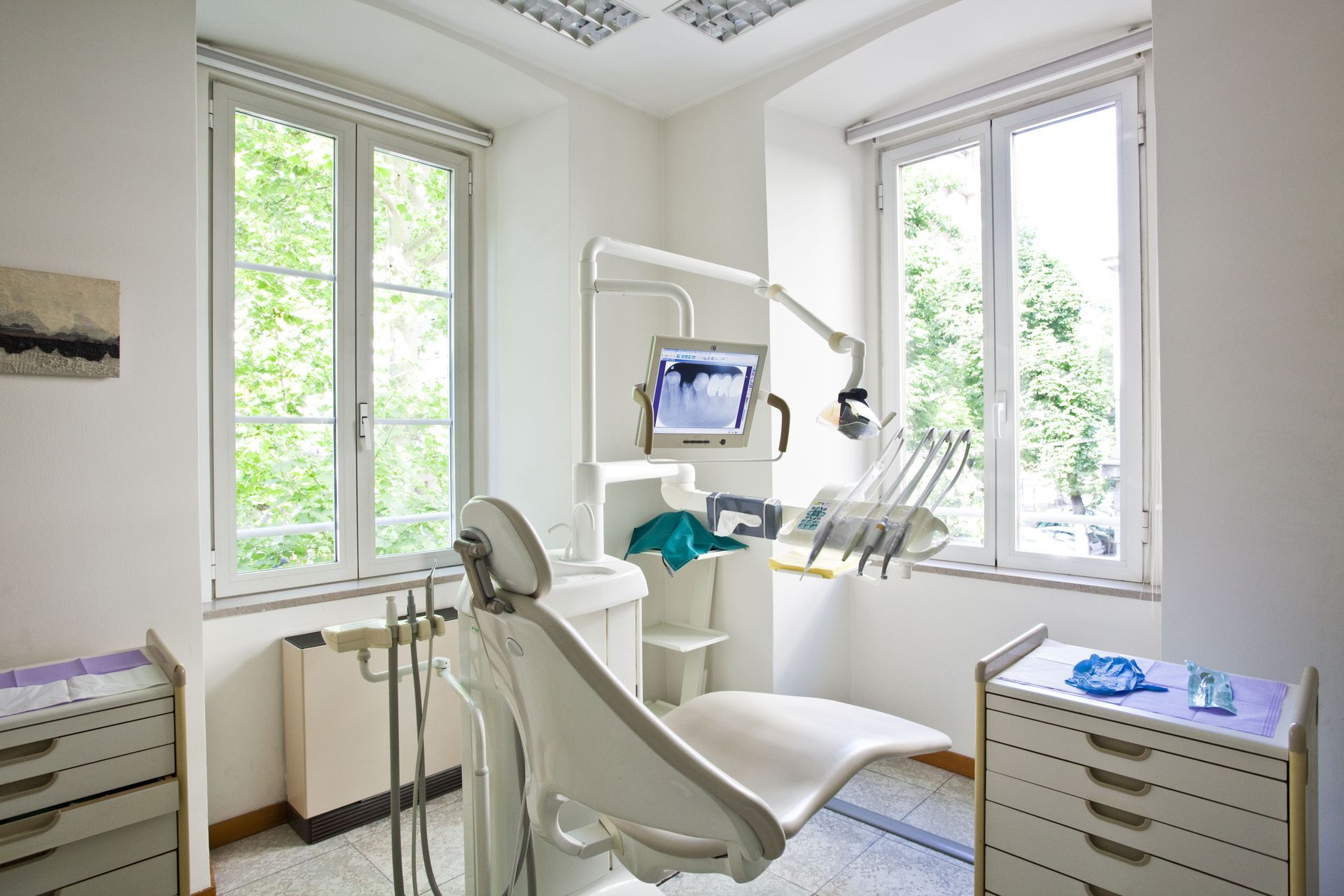
Technology integration is now a standard expectation in dental office design. Custom dental cabinets can accommodate monitors, charging stations, power supplies, and data connections in ways that are seamless and unobtrusive.
Specialty practices benefit even more from customization. Orthodontic clinics require different storage than pediatric offices, and surgical suites demand even greater organization and sterilization control. Pediatric spaces may include lower cabinet heights for accessibility and friendly design touches, while surgical suites may focus on sterile metal finishes and specialized storage. Customization ensures cabinetry aligns precisely with the services provided.
Styling for Professionalism, Branding, and Timeless Appeal
Aesthetics should never be treated as an afterthought. Patients often form their first impression of a dental office the moment they step inside, and cabinetry plays a large role in shaping that impression. A thoughtfully chosen color palette can influence mood, comfort, and perception of cleanliness and professionalism.
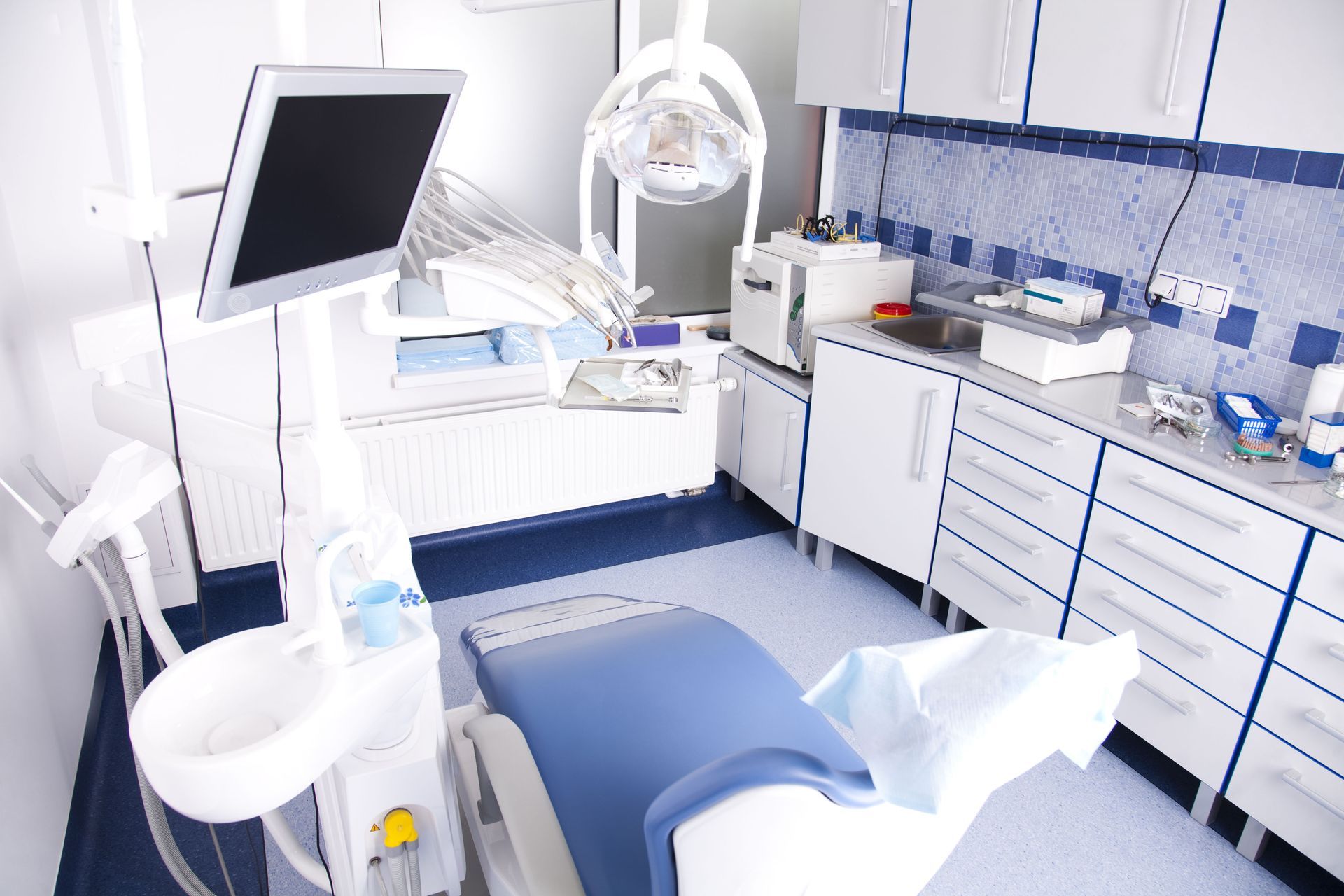
Neutral tones like whites, grays, and soft wood finishes are commonly used to create a calming atmosphere, while accent colors can reinforce branding. When designed properly, custom dental cabinets complement flooring, wall finishes, lighting, and equipment to create a cohesive visual experience.
Blending new cabinetry with existing interior elements helps preserve design consistency and may reduce renovation costs. Matching textures, hardware finishes, and architectural details ensures that updated cabinetry feels intentional rather than added on.
Branding can also be subtly integrated into cabinetry design. Custom color accents, logo placements, or unique hardware choices can reinforce your identity without overwhelming the space. These design details enhance recognition and create a more memorable patient experience.
Lighting further elevates both appearance and function. Under-cabinet lighting improves visibility during procedures, while accent lighting adds warmth and highlights key design features. Proper lighting enhances safety, aesthetics, and comfort simultaneously.
Balancing modern style with timeless design is what ultimately protects your investment. Ultra-trendy designs may look impressive at first, but can feel dated quickly. Clean lines, neutral palettes, and durable materials allow custom dental cabinets to remain visually appealing and relevant for many years.
Designing custom dental cabinets requires far more than selecting finishes and hardware. It involves strategic planning for space, thoughtful material selection, ergonomic efficiency, aesthetic cohesion, and financial sustainability. When done correctly, custom cabinetry enhances workflow, supports staff well-being, strengthens infection control, and leaves a lasting positive impression on patients.
Custom dental cabinets are not merely fixtures; they are foundational tools that shape how your practice functions every single day. With the right planning, partners, and priorities, they become a lasting investment that supports growth, efficiency, and patient trust for years to come.
If you are ready to elevate your workspace with thoughtfully designed
custom dental cabinets, now is the time to partner with experienced professionals who understand the unique demands of dental environments. Take the next step toward a more efficient, modern, and patient-friendly practice by starting your custom cabinetry planning today with Precision Dental Cabinets.








Share On: